
Temporary fencing is essential for securing construction sites, managing outdoor events, and protecting municipal projects throughout New England. Establishing a clear perimeter helps limit unauthorized access while protecting workers, pedestrians, and surrounding property from potential hazards.
However, the regulations governing temporary fencing can vary significantly depending on the state, municipality, and specific project type. Failing to comply with local requirements can lead to fines, project delays, liability concerns, or required modifications to the fencing installation.
Before installation begins, project managers and event organizers should understand local permit requirements, zoning rules, and safety standards to help keep projects compliant and organized.
1. Why Temporary Fencing Regulations Matter
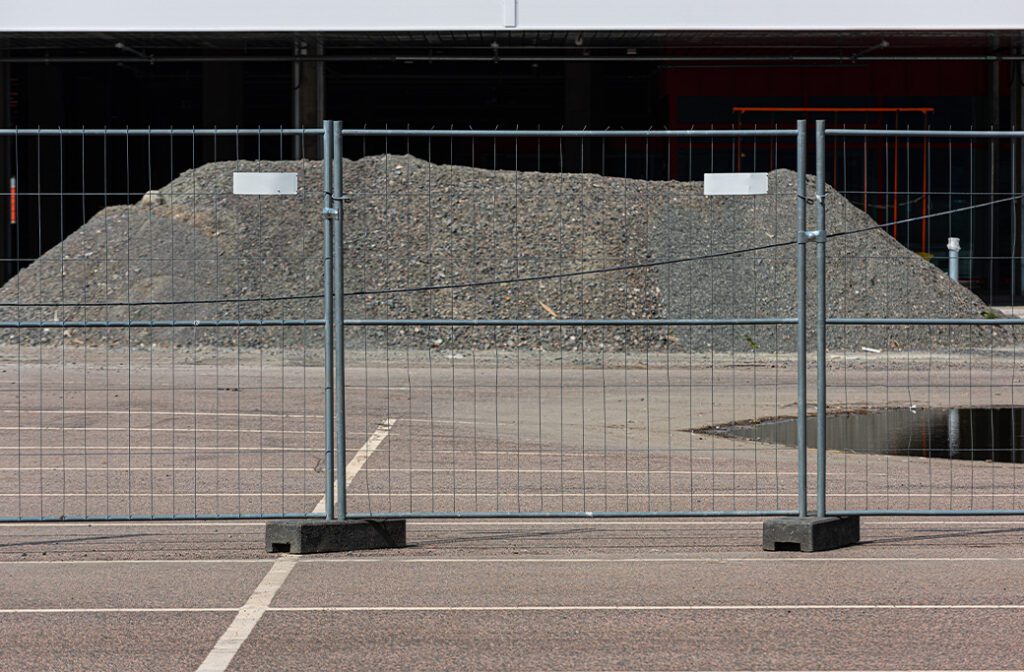
Following local fencing regulations is about more than avoiding penalties. Proper compliance helps:
-
- Protects construction workers, pedestrians, and surrounding properties from accidents.
- Helps maintain organized and safe job sites or public events.
- Supports local building code compliance.
- Reduces liability risks and potential insurance claims.
- Demonstrates proper due diligence to local authorities and stakeholders.
2. Temporary Fencing Regulations in Rhode Island
As a densely populated state with many local municipalities, Rhode Island may have varying requirements for temporary fencing installations.
Permit Requirements
Many Rhode Island municipalities may require permits before fence installation begins, including some temporary fencing applications. For example, the City of Warwick requires permits for fence installations under its zoning and building regulations. Requirements can vary based on the location, project scope, and fence type.
Fence Height and Material Requirements
Rhode Island law includes specifications for certain lawful fence types, while municipalities may impose additional regulations related to height, materials, placement, and visibility.
For example:
-
- Post-and-rail fences are commonly referenced at a minimum height of 4.5 feet
- Woven wire fencing standards may reference minimum wire thickness and 54-inch height requirements
Since regulations vary, property owners and contractors should always confirm current local requirements before installation.
Municipal Restrictions
Local zoning ordinances may add additional rules regarding fencing materials and placement. Some municipalities restrict or prohibit materials such as barbed wire in certain areas for safety reasons.
Front yard fencing and temporary barriers near roadways may also need to preserve visibility for drivers and pedestrians. Always consult city-specific zoning ordinances before finalizing your site plan.
3. Construction Site Fencing Requirements
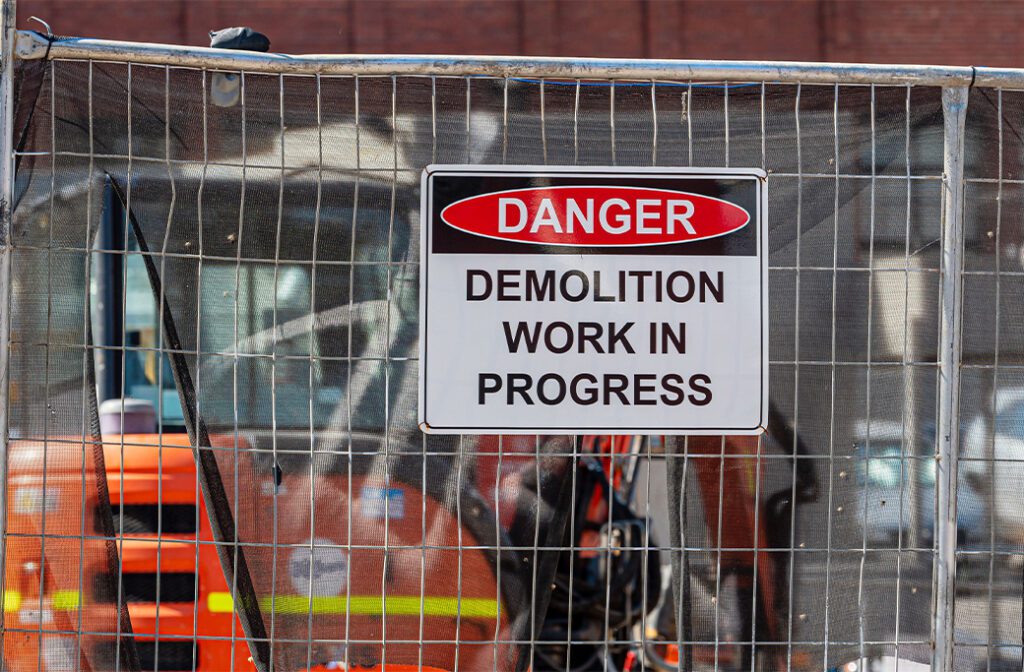
Active work zones can create serious safety risks for workers and the public. Many municipalities, project owners, and contractors utilize temporary fencing around:
-
- Construction zones
- Excavation areas
- Demolition sites
- Equipment staging areas
Depending on local regulations and project conditions, sites may also require:
-
- Clearly marked entrances
- Safety signage
- Secured perimeter access
- Locked gates during off-hours
Temporary fencing helps reduce unauthorized access while improving overall site organization and safety.
4. Event and Crowd Control Regulations
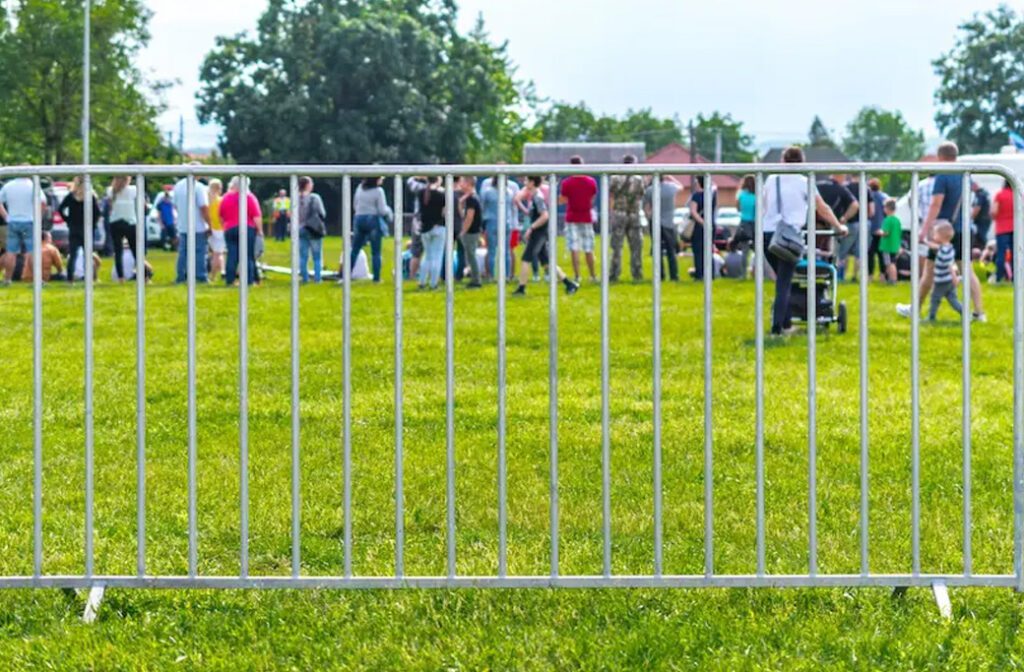
Temporary fencing serves an important role during festivals, concerts, sporting events, farmers markets, and other outdoor gatherings.
Larger events may require designated barrier layouts, controlled entry and exit points, and emergency access lanes as part of the permitting process. Crowd control fencing can help organizers:
-
- Guide pedestrian traffic
- Separate restricted areas
- Improve emergency access
- Maintain safer event operations
Requirements often vary depending on event size, location, and municipality.
5. Temporary Fencing Regulations Across New England
Temporary fencing requirements can differ significantly throughout New England, making local planning especially important.
Connecticut
Municipalities may require permits for temporary fencing associated with construction projects or public events. Local zoning, safety, and fire access regulations may influence fence placement and layout.
Massachusetts
Many Massachusetts municipalities utilize permit and zoning processes for fence installations. Historic districts, urban areas, and densely populated communities may enforce stricter placement and visibility requirements.
New Hampshire, Vermont, and Maine
Requirements can vary widely based on the municipality, project scope, and application. Some smaller temporary event installations may not require permits, while larger construction or municipal projects often do.
Since regulations vary from town to town, checking directly with local authorities is always recommended.
6. Safety, Visibility, and Accessibility Considerations
Temporary fencing should never interfere with public safety or infrastructure.
Fencing installations should avoid obstructing:
-
- Sidewalk access
- Driver visibility at intersections
- Emergency access routes
Temporary fencing placed near public walkways should also maintain safe, accessible pedestrian routes in accordance with local accessibility requirements.
Depending on the municipality and project type, fencing near public areas may also require:
-
- Reflective markings
- Warning signage
- Additional anchoring or stabilization
- Traffic safety measures
These precautions are especially important during New England’s changing weather conditions.
7. Best Practices for Staying Compliant
Careful planning can help avoid unnecessary delays and compliance issues.
Consult Local Authorities
Before installation, contact your local building, zoning, or permitting department to verify current regulations and permit requirements.
Choose the Appropriate Fence Type
Different projects may require different fencing solutions:
-
- Chain link panels for construction sites
- Pedestrian barricades for crowd control
- Block-and-panel fencing for added stability
Plan for Site Conditions
Consider:
-
- Weather conditions
- Traffic flow
- Pedestrian safety
- Emergency vehicle access
- Visibility requirements
Work with Experienced Providers
Professional fencing companies understand regional installation considerations and can help projects stay organized and compliant.
8. Why Work with Mobile Fencing Inc.
With decades of experience and over 250 miles of inventory, Mobile Fencing Inc. provides temporary fencing solutions throughout Rhode Island and New England.
Our team offers:
-
- Fast installation and removal
- Customized fencing layouts
- Solutions for construction sites, events, and municipal projects
- Experience working in varying New England conditions
We help contractors, event organizers, and property owners secure their sites efficiently and professionally.
Temporary Fencing Regulations: What You Need to Know in New England
Temporary fencing regulations can vary widely from one municipality to another throughout New England. Understanding local permit requirements, zoning ordinances, and safety expectations can help reduce liability risks and avoid costly project delays.
By planning ahead and working with an experienced provider, you can help keep your site secure, organized, and compliant from day one.
Need temporary fencing for your next project or event? Contact Mobile Fencing Inc. for reliable temporary fencing solutions across New England.