
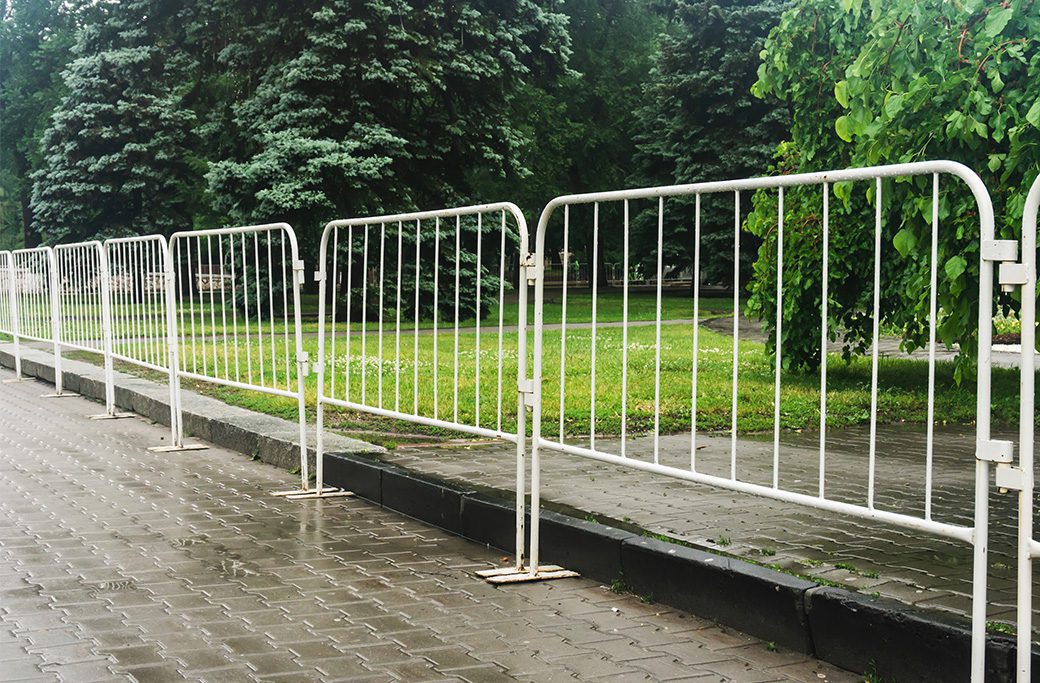
Temporary fencing is commonly used in spring to secure construction sites, manage outdoor events, protect landscaping projects, and improve safety during seasonal work. As activity increases and weather conditions change, it helps control access, reduce liability, and keep projects organized.
Across New England, spring brings a surge of construction, events, and outdoor projects. As the ground thaws and foot traffic increases, job sites and public spaces can quickly become difficult to manage without clear boundaries in place. Mud, changing conditions, and higher activity levels only add to the risk.
From new construction projects to farmers markets and community events, temporary fencing plays an important role in maintaining safety, organization, and efficiency. Here’s how it supports some of the most common springtime applications.
1. Spring Construction and Renovation Projects
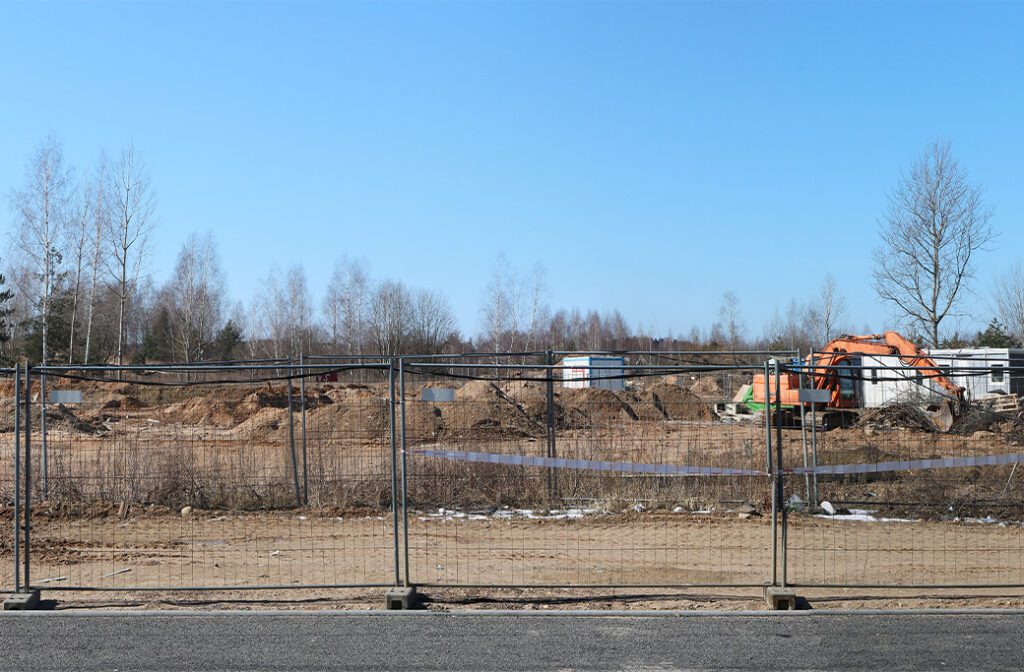
Spring acts as the undisputed peak season for both residential renovations and commercial builds. Contractors are eager to make up for lost time over the winter months, leading to a surge in active job sites.
For these construction sites, temporary fencing is an operational necessity. It secures expensive tools and heavy materials from theft overnight. It also prevents unauthorized access, ensuring curious onlookers do not wander into dangerous areas. By clearly defining job site boundaries, construction teams can work efficiently without unwanted interruptions.
2. Outdoor Events, Festivals, and Markets
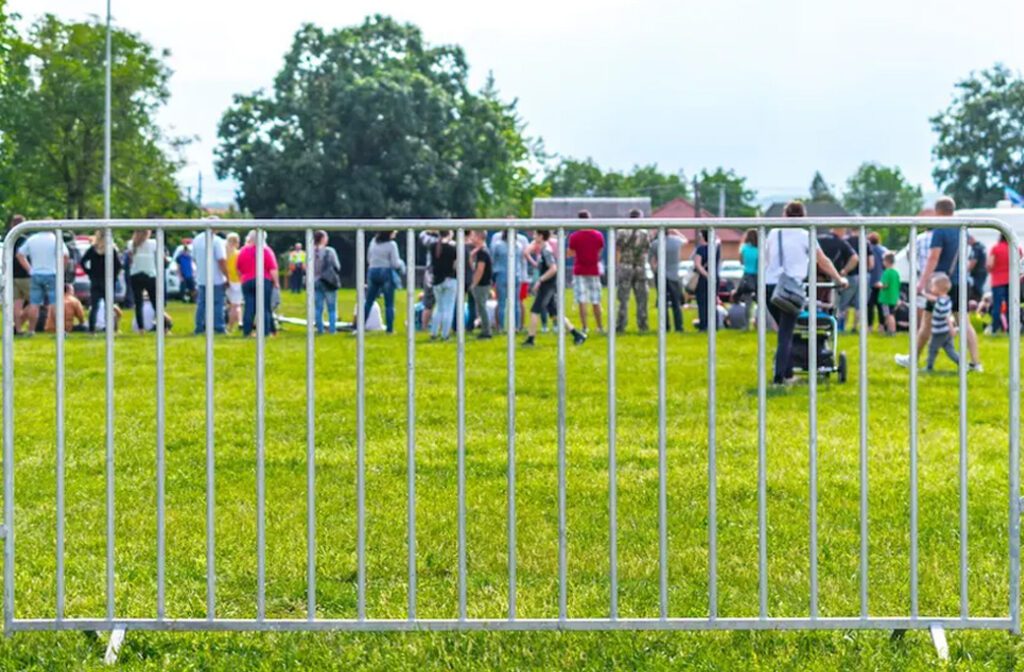
Warmer weather brings communities together. Spring is the kickoff season for local festivals, outdoor farmers markets, and neighborhood block parties.
Event organizers rely heavily on temporary fencing to keep these gatherings safe and orderly. Strategically placed barriers help control large crowds and create clear entry and exit points for ticket scanning. Fencing also separates active vendor booths from restricted areas, ensuring staff and attendees both have the space they need.
3. Sporting Events and School Activities
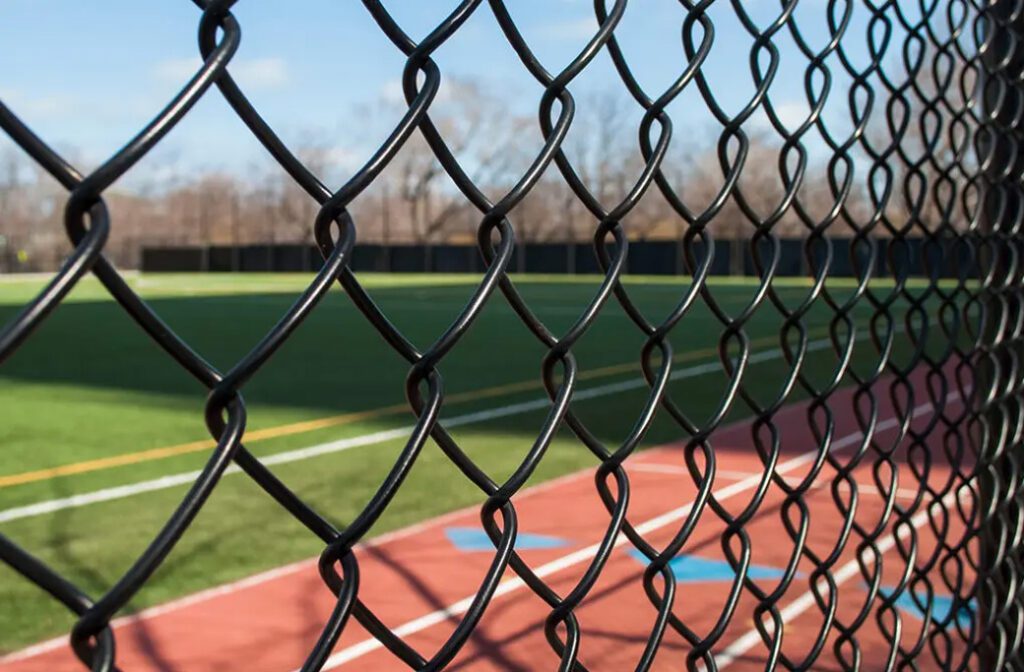
As the snow melts, local sports leagues hit the fields. Baseball, soccer, and track and field events dominate the spring calendar for schools and community organizations.
Temporary fencing plays an essential role in these athletic activities. It keeps spectators safely away from the immediate action while clearly defining the playing areas for athletes. Managing foot traffic around busy sports complexes becomes significantly easier when pathways are mapped out with sturdy barriers.
4. Landscaping and Property Protection
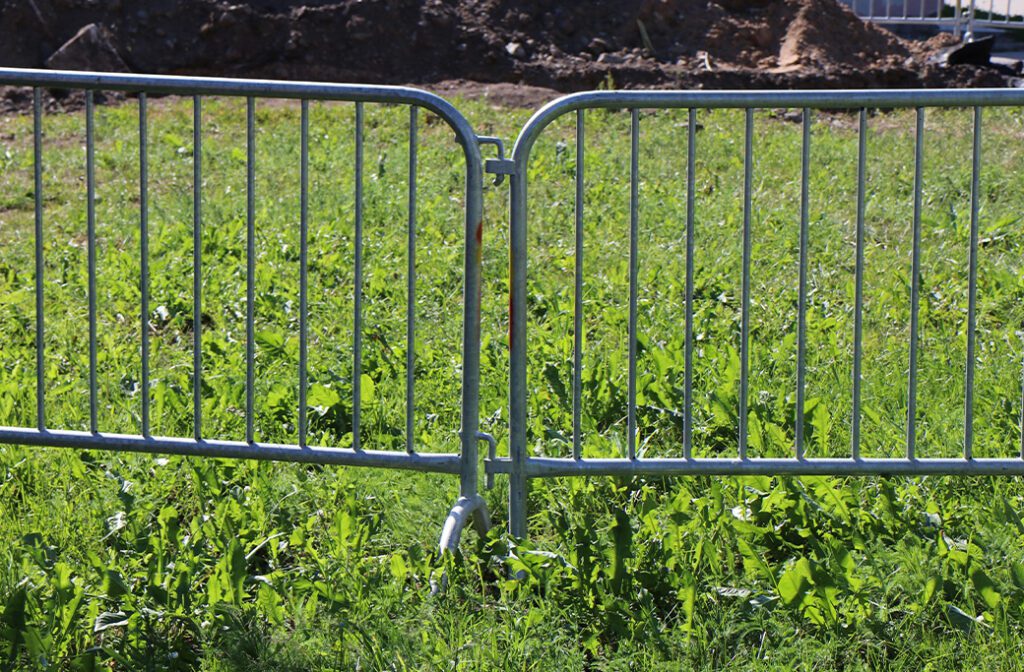
Spring is the prime time for property upgrades. Homeowners and commercial property managers use this season for lawn installations, complex hardscaping, and large-scale planting.
Property owners use fencing to protect fresh grass, new gardens, and delicate soil. A simple barrier keeps people and pets off recently treated or seeded areas, giving new plants the time they need to take root. It also secures the heavy materials and equipment required for these outdoor overhauls.
5. Roadwork and Municipal Projects
Harsh winter weather inevitably causes major damage to local infrastructure. When spring arrives, municipal crews rush out to repair potholes, fix sidewalks, and upgrade utility lines.
Temporary fencing protects pedestrians from wandering into these hazardous work zones. It clearly marks dangerous areas, like open trenches or uneven pavement. Proper fencing keeps these municipal work zones fully compliant with local safety regulations while minimizing disruptions to regular neighborhood traffic.
6. Safety and Liability Prevention

Spring brings a massive increase in foot traffic, but it also brings wet, muddy conditions as the snow melts. This combination can easily lead to slips, falls, and job site accidents.
Installing temporary fencing is one of the best ways to reduce these accidents. It actively prevents trespassing on dangerous properties and keeps pedestrians away from heavy machinery. More importantly, it demonstrates clear due diligence from property owners and contractors, drastically reducing potential liability issues if an accident does occur.
Types of Temporary Fencing Used in Spring
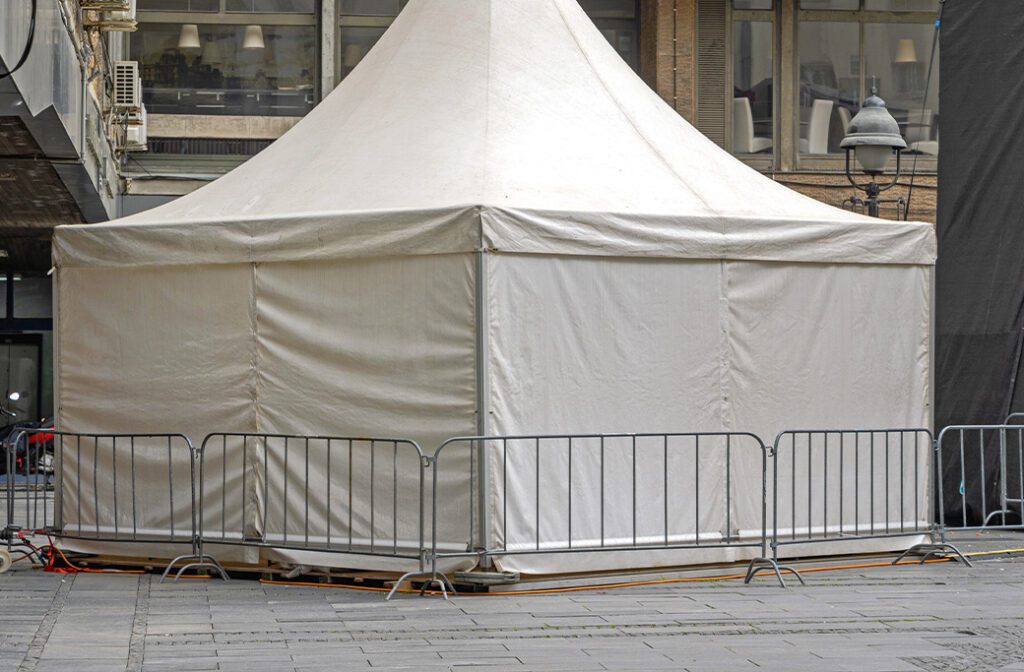
Different projects require different security solutions. The most common types of temporary fencing used during the spring include:
-
- Chain link panels: The go-to choice for construction sites and general use. They are affordable, highly visible, and excellent for hanging safety signage.
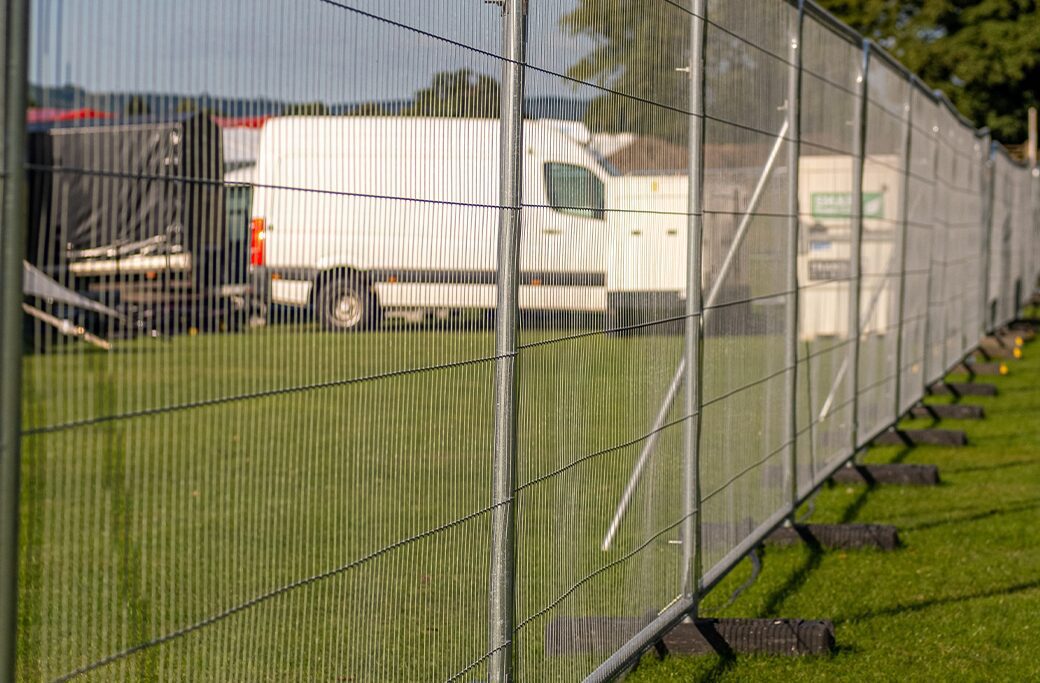
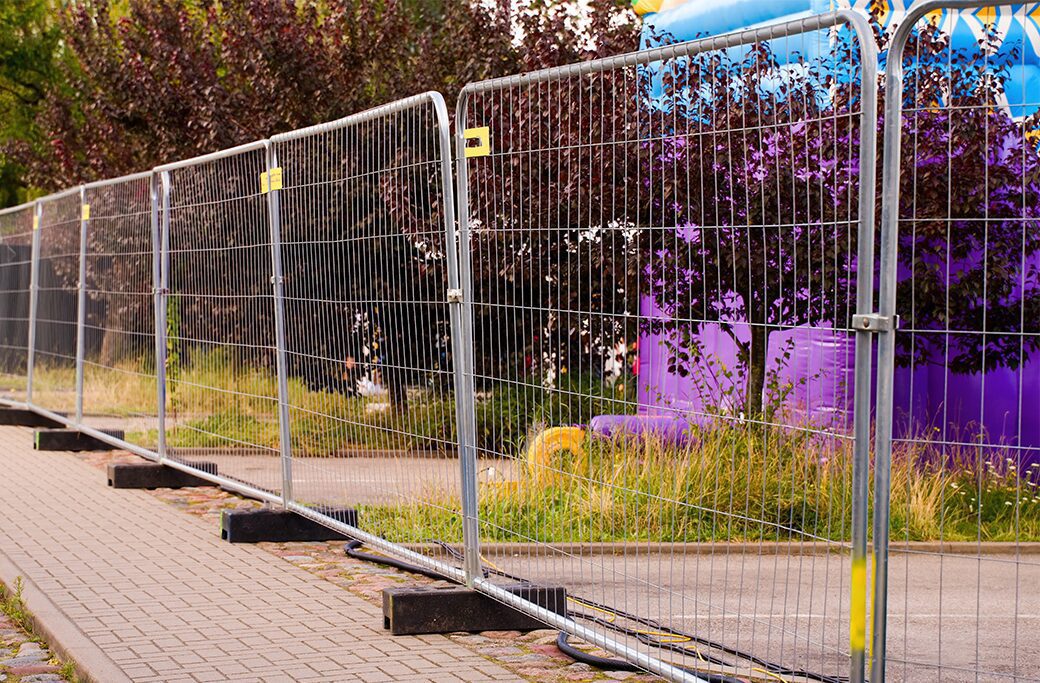
- Block and panel fencing: These feature stabilizing rubber or concrete blocks. They offer fantastic stability, especially in the softer, muddy ground common in spring.
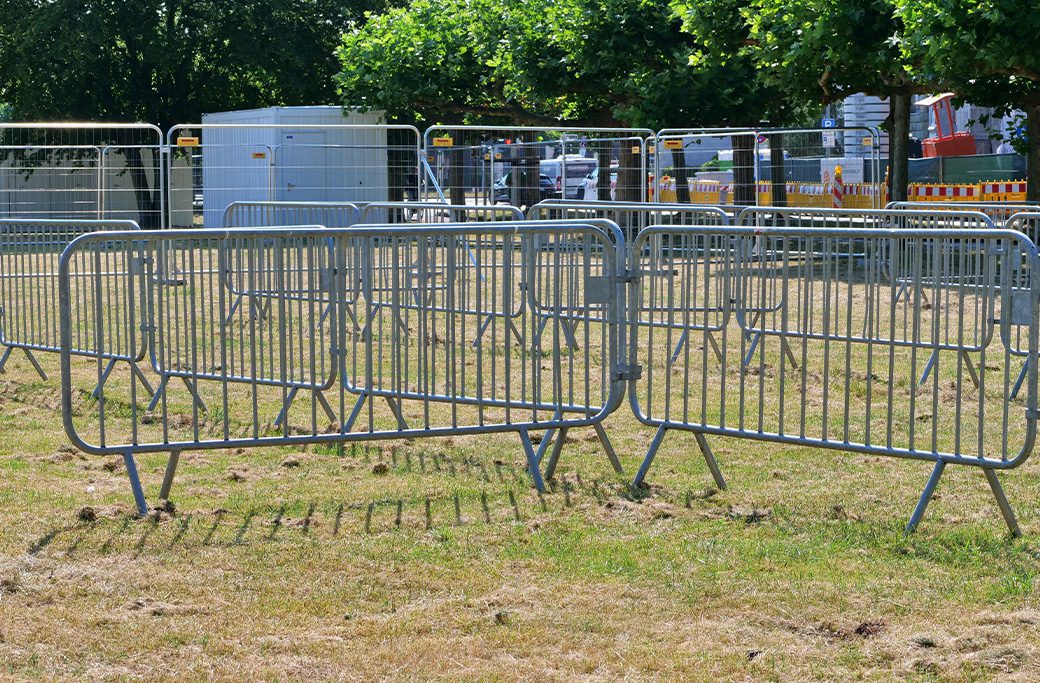
- Pedestrian barriers: Often called crowd control barricades, these are ideal for events, retail lines, and directing foot traffic away from minor hazards.
Why Choose Mobile Fencing Inc.
When you need to secure a site in New England, Mobile Fencing Inc. has you covered. We understand the unique challenges of the spring season and offer fast, reliable installation to meet the sudden surge in seasonal demand.
With over 250 miles of fencing in our inventory, we provide flexible rental terms tailored to your specific schedule. We proudly serve Rhode Island, Massachusetts, Connecticut, New Hampshire, and Maine, offering custom fencing solutions for any project type.
What Is Temporary Fencing Used for in Spring?
Spring brings exciting opportunities, but it also introduces new risks. Temporary fencing serves as a remarkably simple solution for improving safety, maintaining organization, and boosting project efficiency.
Planning a spring project or event? Contact Mobile Fencing Inc. for reliable temporary fencing solutions that protect your property and your peace of mind.