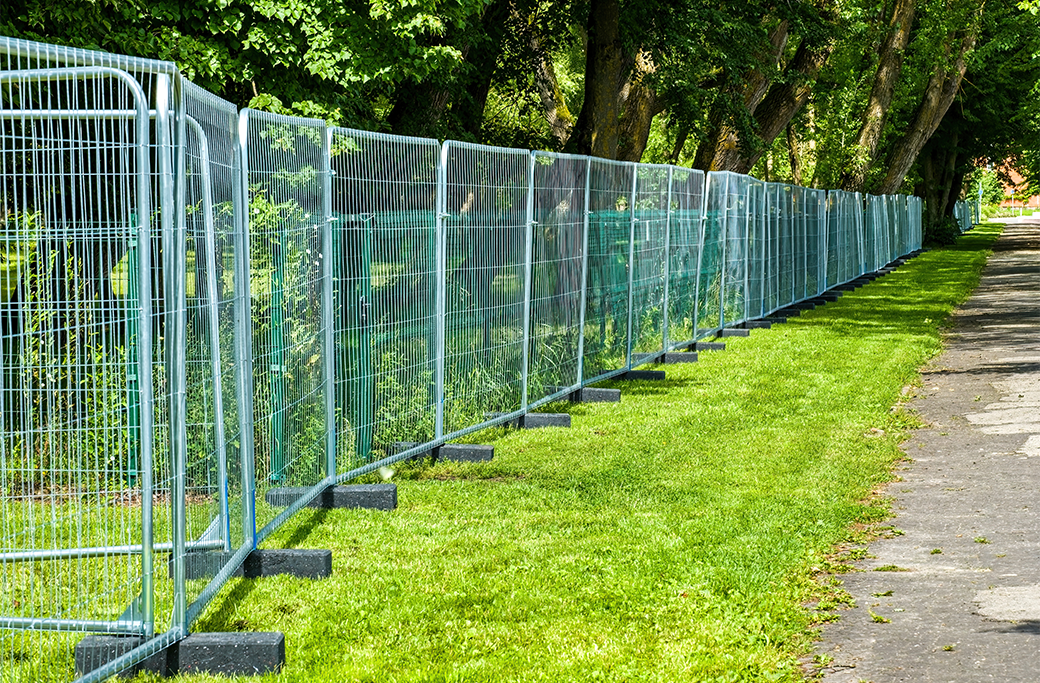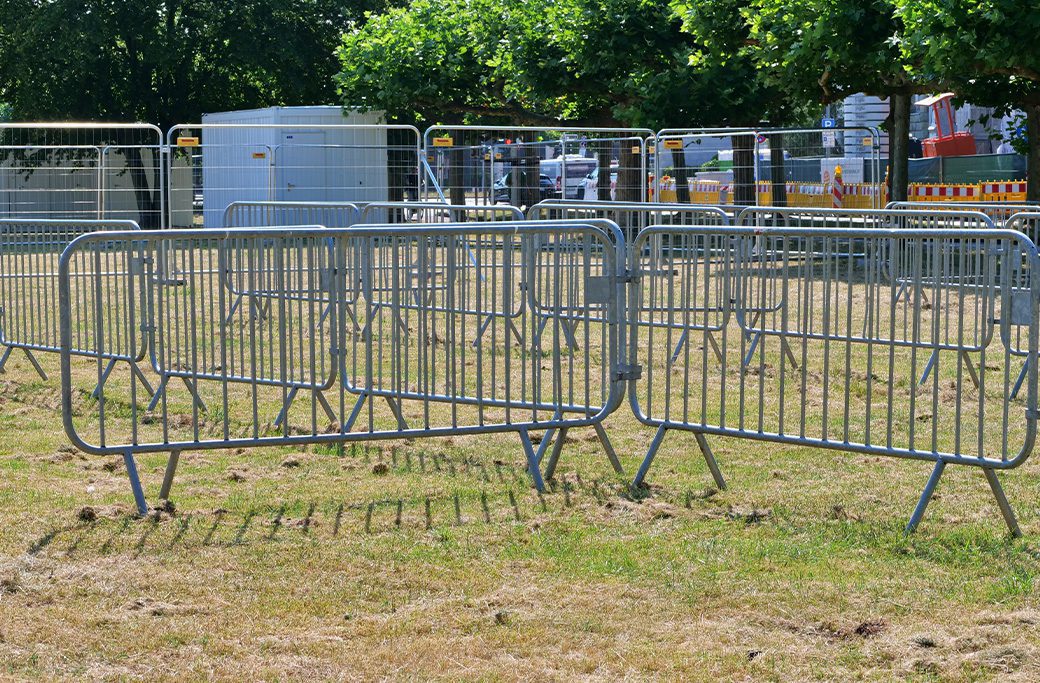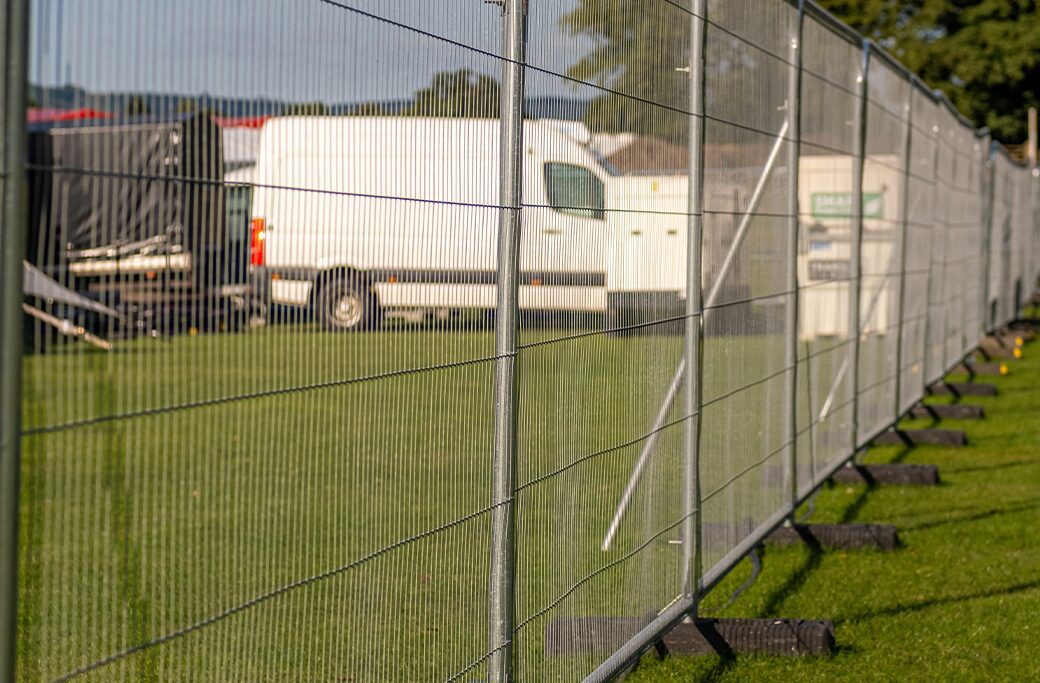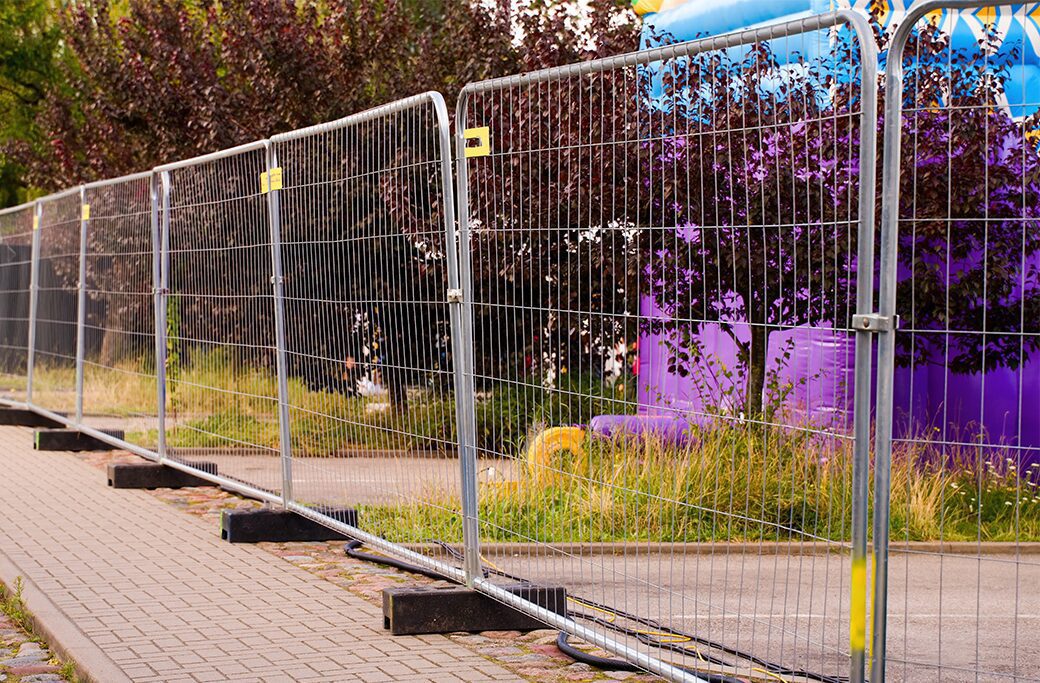

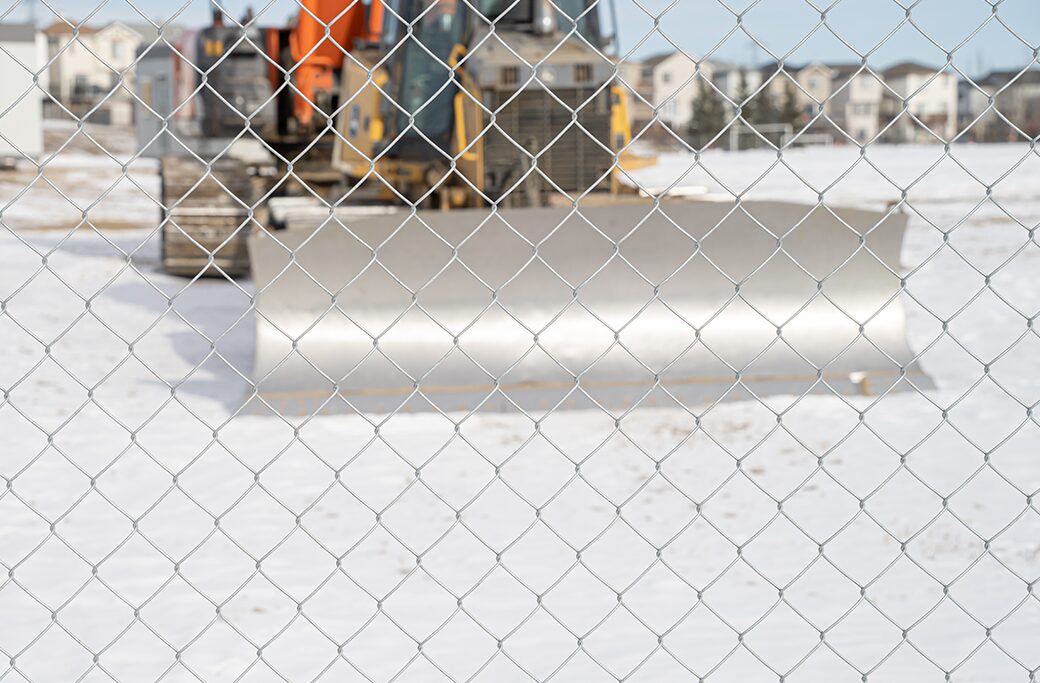
Temporary fencing for winter construction sites helps define restricted work areas and organize access during renovations, repairs, and phased construction. Our team plans the fence line and gates around your site layout, surface conditions, deliveries, and snow removal needs. Start with the temporary fence rental options that fit your project, then confirm the layout before delivery.
Set Boundaries Around Active Winter Work Areas
Walk the site with your project team and mark the areas that need separation. These might include equipment staging, material storage, demolition zones, or entrances that must stay available to building occupants. For a commercial renovation that stays open, sketch the route employees, customers, and deliveries will use while work is underway.
Identify which boundaries will move as work progresses. An exterior repair may start with a small restricted area and expand when equipment arrives. For work in or near a public right of way, coordinate with the responsible authority and follow the project’s traffic control plan. See our guide to winter roadwork and utility projects for that separate use case.
Plan for Snow, Ice, Wind, and Freeze-Thaw
Show us where plows operate, where snow will be stored, and where meltwater collects. A snow pile can block a gate or make the approach difficult to use. When snow melts and freezes again, the ground around bases and posts can change. Tell us about pavement, gravel, slopes, and soft areas so we can discuss the setup before installation.
Let the rental team know if the fence line crosses an exposed lot or if you want screening. Screening changes how wind loads the fence. After a storm, thaw, or equipment contact, check for shifted panels, blocked access, and loose connections. Contact us if the layout or support needs attention. See our guidance on fencing on uneven ground and planning for wind exposure.
Coordinate Gates, Deliveries, and Project Changes
Plan gates around actual vehicle approaches, turning space, and delivery schedules. Identify where subcontractors enter, who controls access after hours, and which routes must stay clear for building operations. Share a sketch with gate locations and the expected dimensions of delivery vehicles and equipment.
Estimate the fence line by measuring each run separately. Mark openings and note changes in grade or surface. Our fencing quantity guide can help you prepare an estimate. If a later phase changes the perimeter or access points, coordinate relocation with us before the work changes.
Choose a Rental Setup for Your Site
Chain link and freestanding block-and-panel fencing can serve different perimeter and access needs. Tell us where digging is restricted, whether gates are needed, and how long the site will be active. Our team can discuss available options and coordinate delivery, installation, and removal for projects in our New England service area.
Frequently Asked Questions About Winter Construction Fencing
Can Temporary Fencing Be Installed on Frozen Ground?
That depends on the surface, access, and fence system. Let us know whether the site has frozen soil, pavement, or snow cover before installation.
How Should I Plan Gate Access for Snow Removal?
Mark the plow route, snow storage areas, and gate approaches on your site sketch. Keep those approaches clear and coordinate any fence or gate changes with the rental team.
Can We Adjust the Fence Line During a Renovation?
Yes, ask us about relocation when work phases, staging areas, or access routes change. Share the revised layout and timing so we can review the adjustment.
Request a Winter Construction Fencing Quote
Contact our team with your project address, approximate footage, gate needs, surface conditions, and rental dates. We’ll discuss the layout and available rental options for your site.