
Quick answer: Temporary fencing is the right solution when a project or event requires defined boundaries, controlled access, improved safety, or theft prevention. Common use cases include construction sites, outdoor festivals, sporting events, and municipal projects. Mobile Fencing Inc. provides temporary fence rental across New England with delivery, installation, and removal included.
Do you really need temporary fencing, or is it just an added expense? It’s a fair question. Contractors, event planners, municipalities, and property owners ask it all the time. The honest answer is: it depends on what you’re trying to accomplish.
The right temporary fence doesn’t just mark a boundary. It protects workers. It keeps crowds organized. It deters theft. It helps you stay compliant with local regulations and reduces liability. For many projects and events across New England, it’s not optional, it’s essential.
At Mobile Fencing Inc., we’ve helped clients navigate these decisions since 2001. With over 250 miles of fencing available and 10 crews completing up to 1,200 projects a year, we’ve seen every scenario. This guide covers the key situations where temporary fencing makes a real difference, and the questions to ask before you rent.
What Is Temporary Fencing, and What Types Are Available?
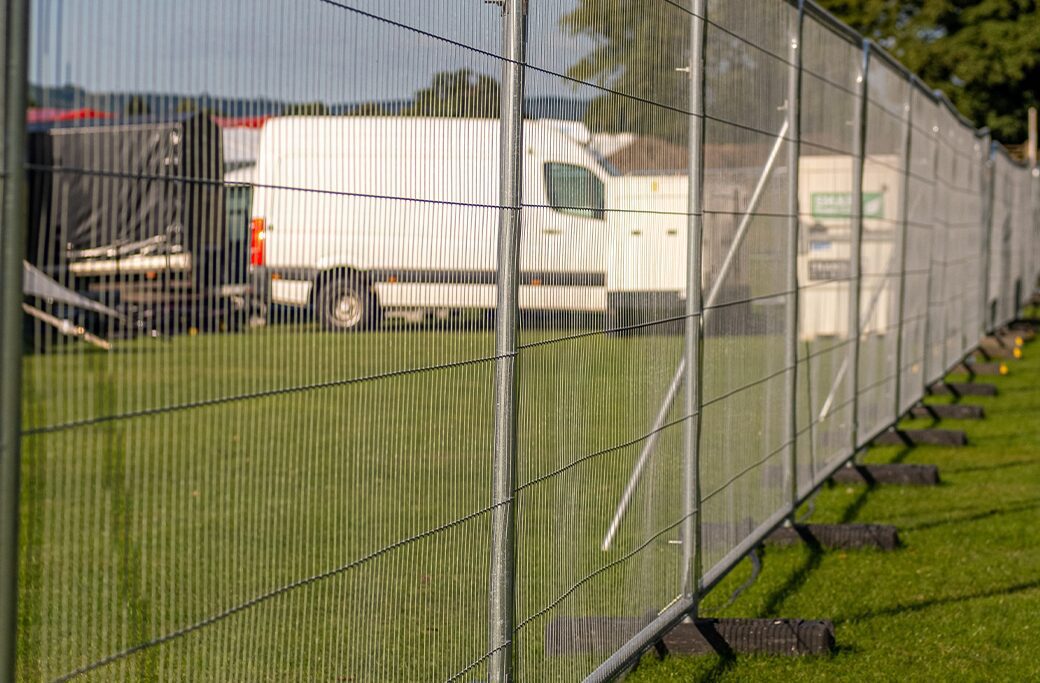
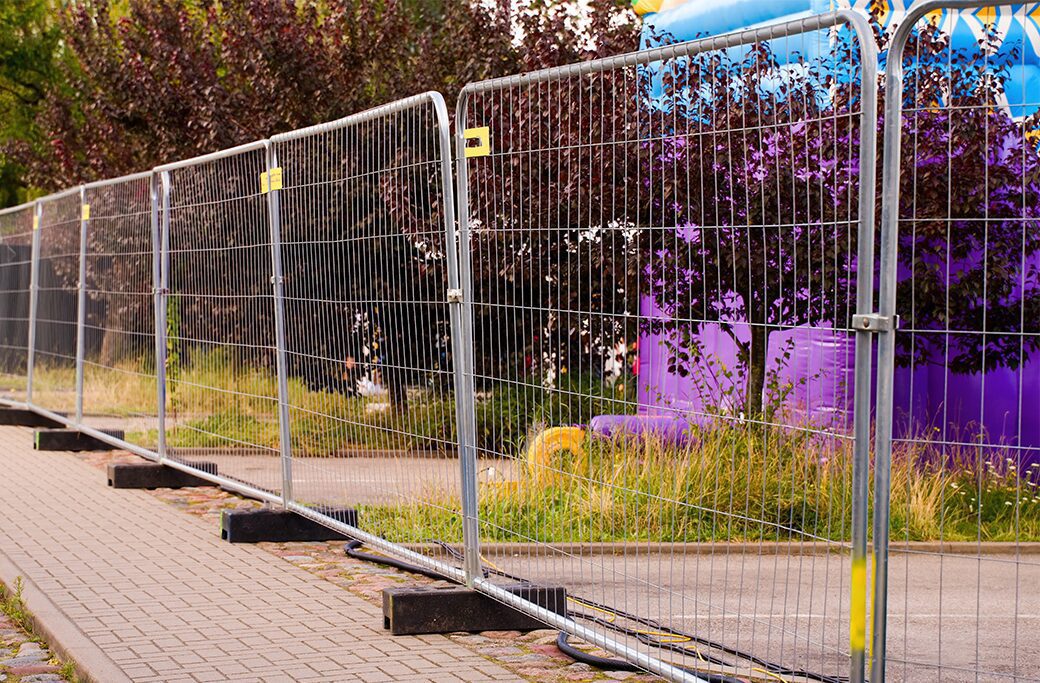
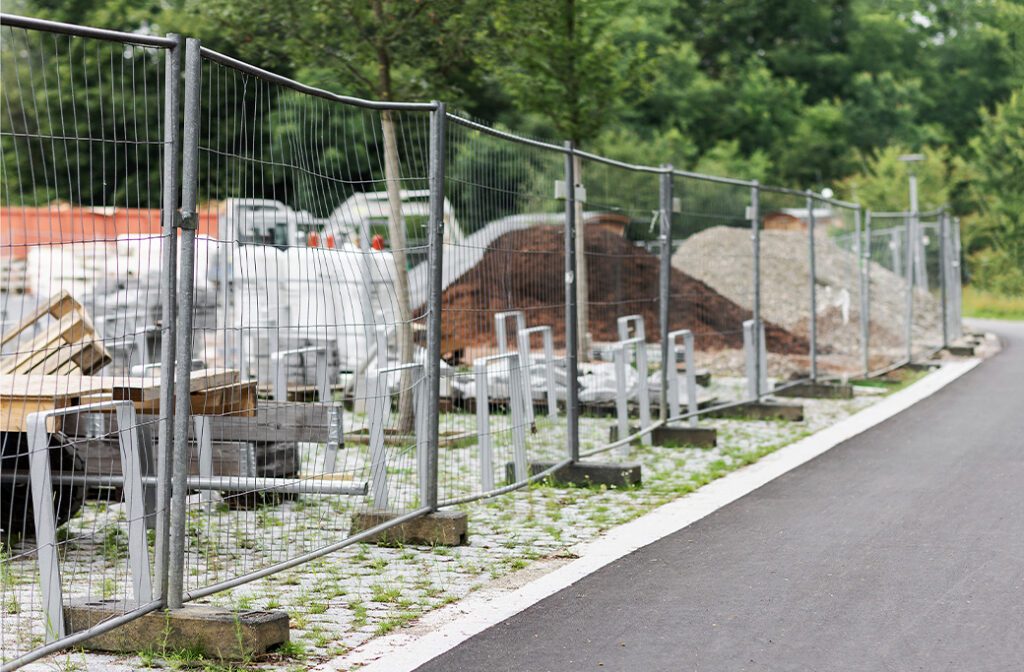
Temporary fencing refers to portable barrier systems that can be installed, relocated, and removed without digging or causing damage to pavement or property. Mobile Fencing Inc. offers three primary types:
-
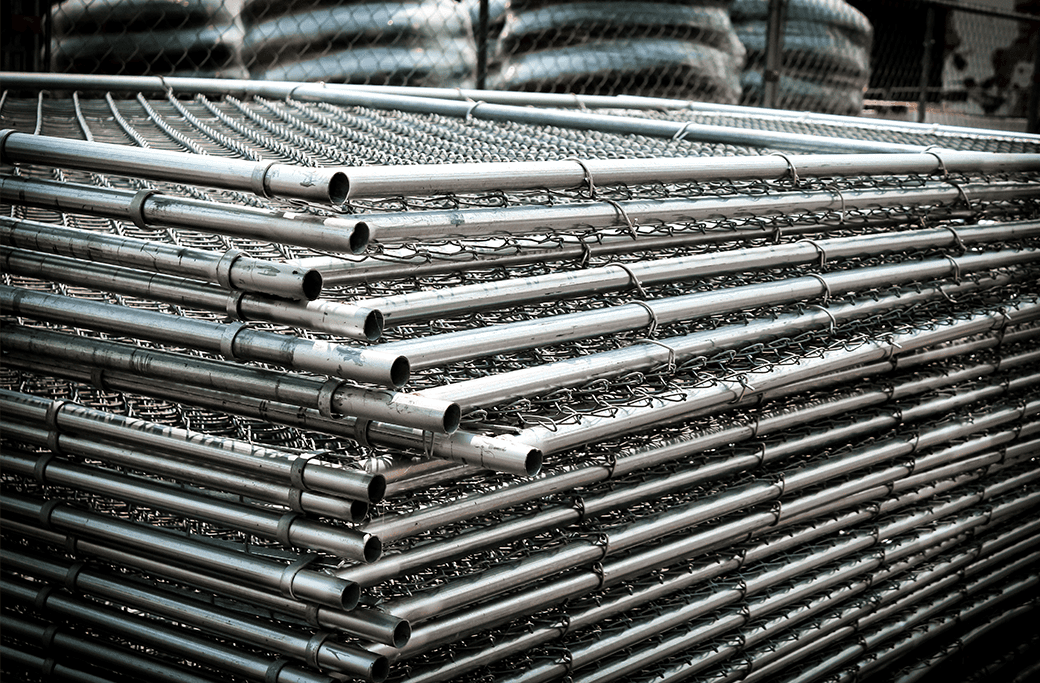
- Chain-link panel fencing – The most common choice for construction sites. Affordable, easy to install signage on, and effective at limiting liability and unauthorized access.
- Block and panel fencing – Taller panels anchored by stabilizing blocks. Ideal for construction sites, festivals, and any setting requiring a more substantial perimeter. Privacy screens or covers can be added for VIP areas or to block sightlines.
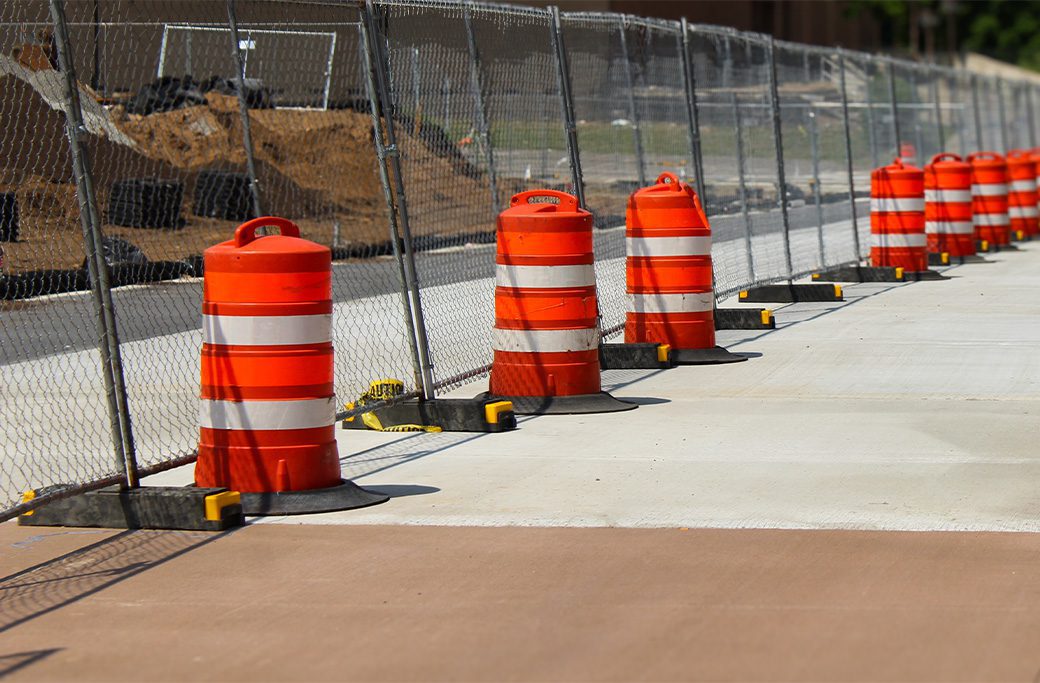
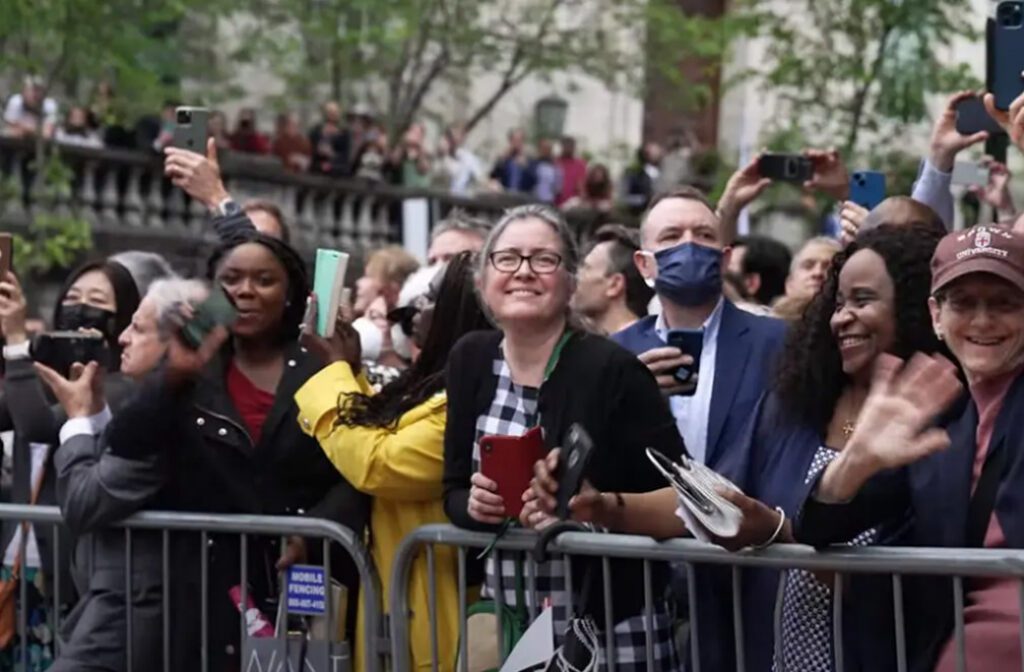
- Pedestrian barriers and barricades – Designed to manage foot traffic, direct attendees, and keep pedestrians clear of hazardous zones. Widely used at concerts, marathons, road projects, and retail queues.
Each type serves a different purpose. Choosing the right one depends on your site, your audience, and how long the fencing needs to be in place.
What Are the Signs Your Project or Event Needs Temporary Fencing?
You’re managing a construction site
Construction sites carry real risks for workers, passersby, and the project itself. Temporary fencing addresses several of these at once. A well-secured perimeter protects equipment and materials from theft or vandalism, prevents unauthorized access from curious pedestrians or trespassers, and helps define clear work zones that reduce on-site liability.
OSHA job site safety standards also factor in here. Clearly marked boundaries and restricted areas demonstrate that safety protocols are being taken seriously, which matters to insurers and inspectors alike.
You’re hosting an outdoor event
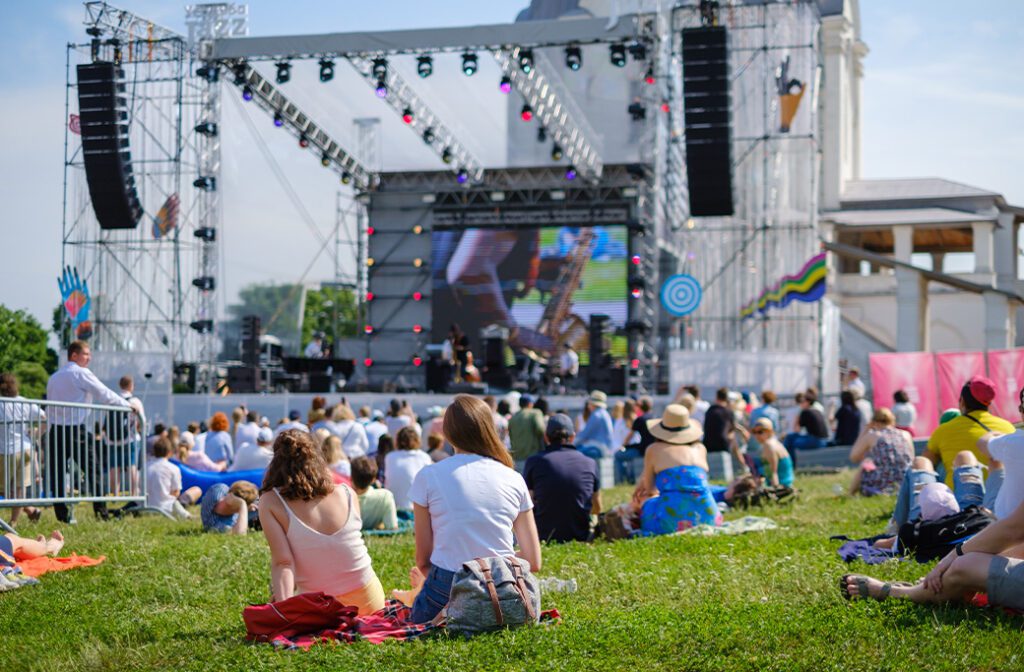
A summer festival without crowd management is a recipe for chaos. Temporary fencing gives event organizers control over where people go, how they enter, and who has access to restricted areas.
Pedestrian barriers create organized entry and exit points, reducing bottlenecks at ticket counters and gates. Block and panel fencing with privacy screens defines VIP sections and backstage areas. Even smaller events benefit from clear vendor zones and designated pathways that keep the experience smooth for attendees and staff alike.
You have a high-risk work zone
Excavation sites, hazardous material areas, and public-facing infrastructure projects all benefit from physical barriers that keep unauthorized people at a safe distance. This is especially true for municipal projects and roadwork, where pedestrian and vehicle traffic must be carefully managed. Temporary fencing communicates hazard clearly and consistently. No signage alone can do that.
You need after-hours security
Equipment theft and vandalism are persistent problems on job sites. A visible perimeter fence significantly deters opportunistic theft and after-hours access. Combined with gates and access control points, temporary fencing makes it much harder for unauthorized individuals to enter a site undetected.
When Is Temporary Fencing Actually Required?
Sometimes, the decision isn’t yours to make. Local municipalities, permitting authorities, and insurance providers may require temporary fencing as a condition of project approval or coverage. Some specific scenarios where requirements come into play include:
-
- Construction permits – Certain jurisdictions require fencing as part of their building permit conditions, particularly in urban or high-foot-traffic areas.
- Public event safety standards – Large events held on public land may need to meet safety requirements set by local authorities, including crowd control provisions.
- Insurance and liability considerations – Insurers may require documented site security measures, including perimeter fencing, to maintain coverage on high-risk projects.
If you’re unsure whether your project requires temporary fencing, it’s worth checking with your local permitting office or project insurer before you start.
What Are the Key Benefits of Renting Temporary Fencing?
-
- Improved safety – Physical barriers protect workers, guests, and the general public from hazardous areas.
- Better organization – Defined zones mean smoother operations for both events and construction sites.
- Enhanced security – A visible perimeter deters theft, vandalism, and unauthorized access.
- Flexibility – Temporary fencing can be installed quickly, relocated as needed, and removed without any damage to pavement or property.
- Low cost relative to risk – Compared to the potential cost of an accident, theft, or liability claim, temporary fencing is a highly cost-effective investment.
Where Is Temporary Fencing Used Most Across New England?
Mobile Fencing Inc. serves clients across Rhode Island, Massachusetts, Connecticut, New Hampshire, and Maine. Common use cases in the region include:
-
- Summer festivals, fairs, and outdoor concerts (including notable events like the Newport Folk & Jazz Festival)
- Residential and commercial construction projects
- Road races, marathons, and sporting events
- Municipal infrastructure and emergency response sites
- Retail crowd management and commercial property security
New England’s mix of dense urban centers, historic neighborhoods, and large outdoor venues creates unique fencing challenges. A one-size-fits-all approach doesn’t work here. Customized layouts, gate placement, and the right fence type all matter.
What Should You Ask Before Renting Temporary Fencing?
Before contacting a temporary fence rental company, it helps to have a few answers ready:
-
- How large is the area you need to secure? Knowing the approximate perimeter length helps determine how much fencing you’ll need.
- Will you need gates or access points? Consider how many entry and exit points are required, and for whom.
- Are privacy screens necessary? Relevant for VIP areas, backstage zones, or sites where visual screening is a priority.
- How long will the fencing be in place? Rental periods vary, and your timeline affects cost and logistics.
- Are there local permit requirements? Some municipalities require permits for temporary fencing on public or commercially zoned land.The Mobile Fencing Inc. team can help you work through these questions and customize a setup that fits your specific needs.
Why New England Contractors and Event Planners Trust Mobile Fencing Inc.
Mobile Fencing Inc. is a family-owned and operated business, founded by Bill Hogan in 2001 and based out of Providence, Rhode Island. The company has grown significantly over the decades, but its core philosophy hasn’t changed: treat every client as a partner, not just an account.
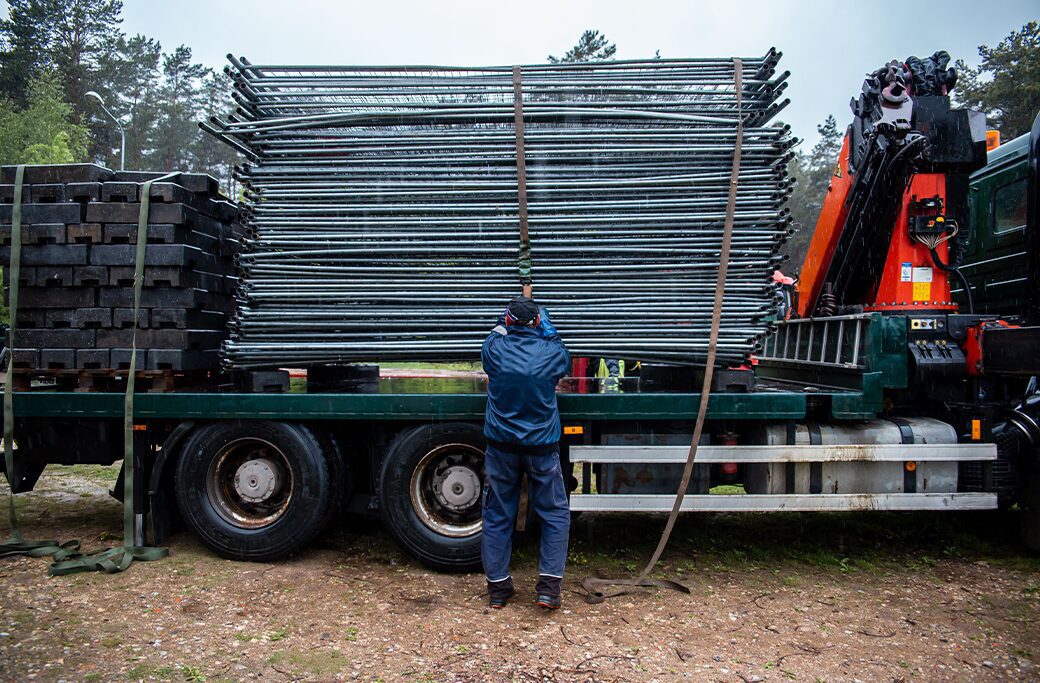
Every rental includes delivery, professional installation, and removal—no hidden logistics or extra coordination required. Our team works with flexible rental periods, adapts to unusual project requirements, and draws on years of experience across hundreds of project types. With over 250 miles of fencing inventory and crews located in both Providence, RI and Hooksett, NH, Mobile Fencing Inc. is positioned to respond quickly across the region.
Make the Right Call for Your Project or Event
Temporary fencing isn’t just about putting up a barrier. It’s about safety, compliance, organization, and the kind of peace of mind that lets you focus on the actual work. For construction sites, that means fewer liability risks and better-protected materials. For events, it means smoother crowds and a more professional experience. For municipalities and emergency response teams, it means a secure perimeter when it matters most.
Not sure if temporary fencing is the right call for your specific situation? Contact Mobile Fencing Inc. today for guidance and a customized solution. Our team is ready to help you figure out exactly what you need and make sure it’s in place before your project begins.