
How Is Temporary Fencing Secured in High Winds?
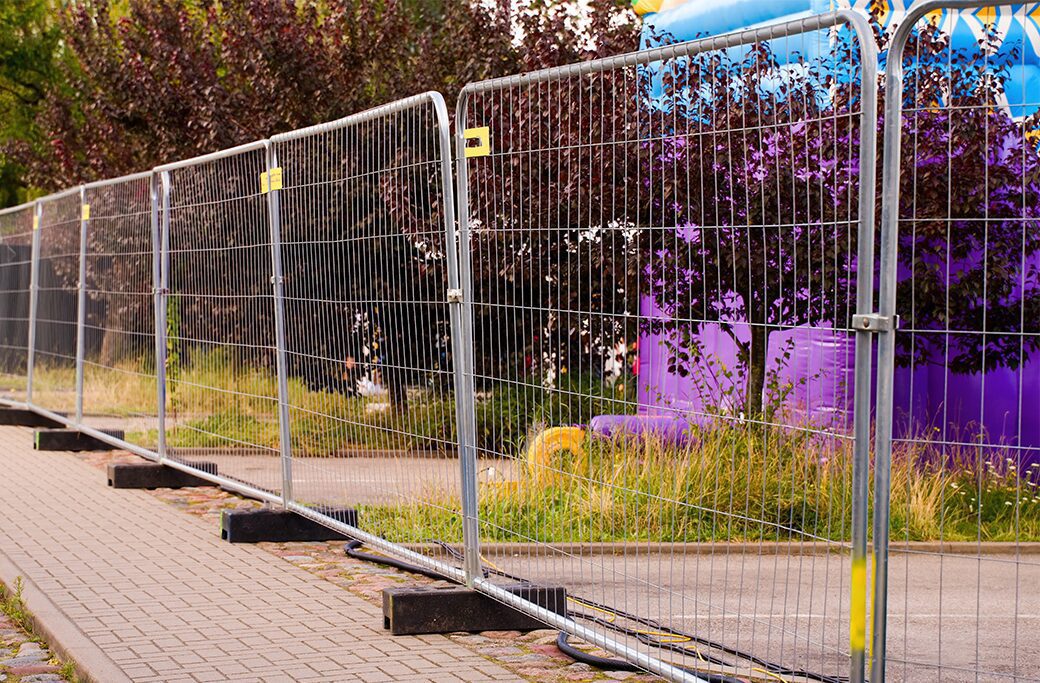
Quick answer: Temporary fencing is secured against wind using appropriate footings, bases, panel connections, bracing, and stabilization methods. The right setup depends on the type of fencing, ground conditions, fence height, wind exposure, and whether privacy screening or banners are attached. No temporary fencing system is automatically safe in every wind condition, making proper installation and weather planning essential.
Across New England, fall brings outdoor construction projects, festivals, community events, and unpredictable weather. From exposed parking lots to coastal properties, temporary fencing needs to be planned with changing conditions in mind.
Understanding what keeps temporary fencing stable can help contractors, property managers, and event organizers make informed decisions before installation.
What Keeps Temporary Fencing Stable in Windy Conditions?
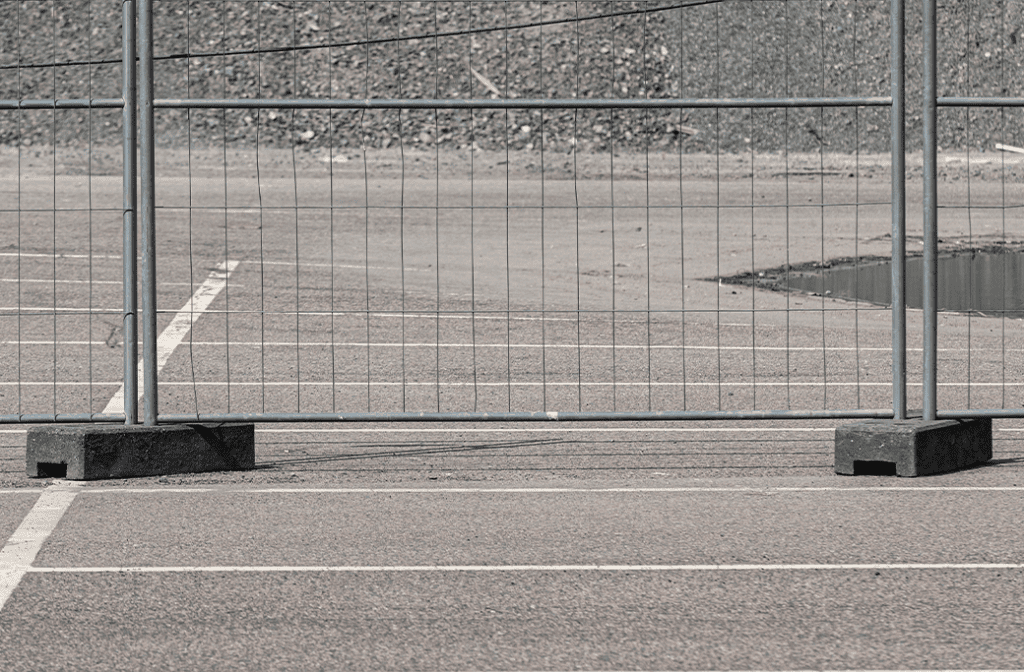
Temporary fencing uses different installation and support methods depending on the fencing system and location.
Common stabilization components include:
-
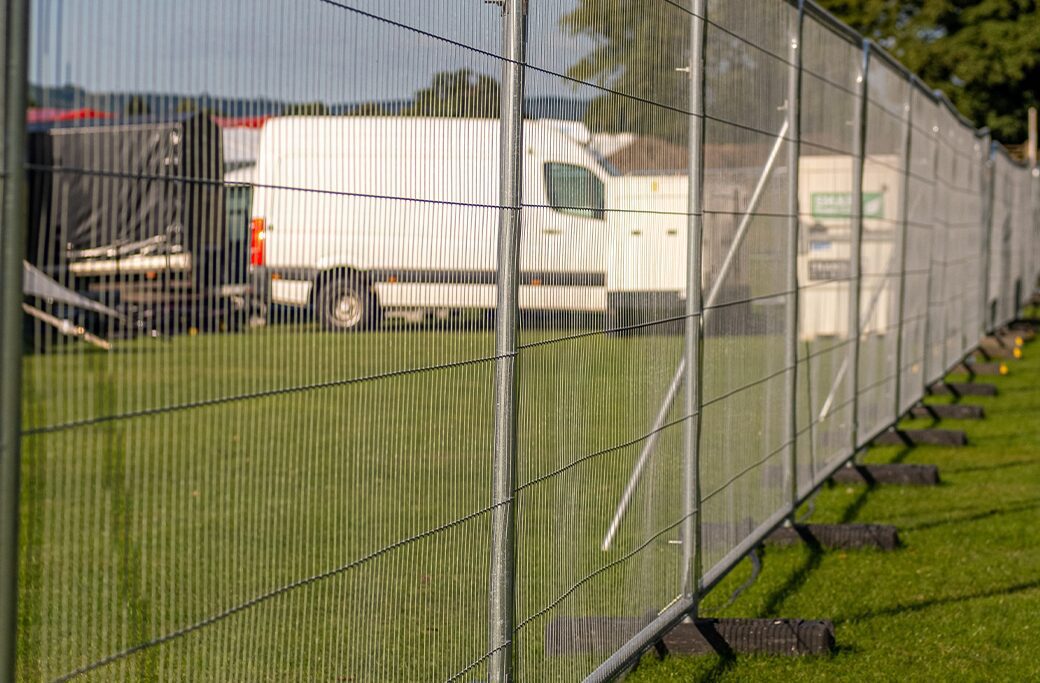
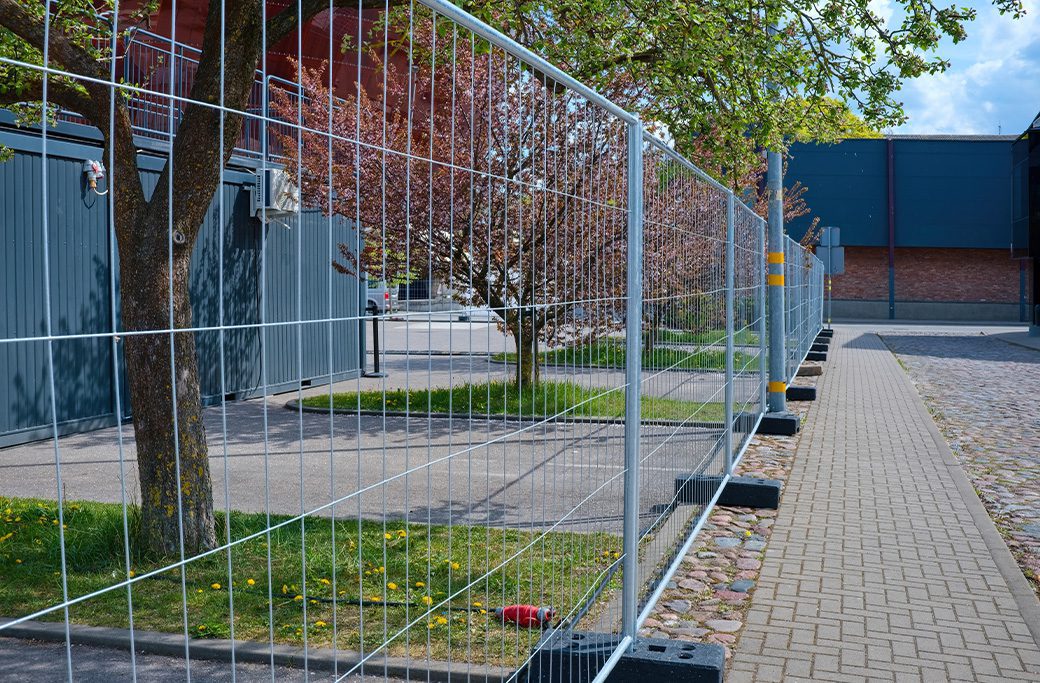
- Bases and footings: Support freestanding panels and help resist movement.
- Panel connections: Join adjacent sections to form a continuous barrier.
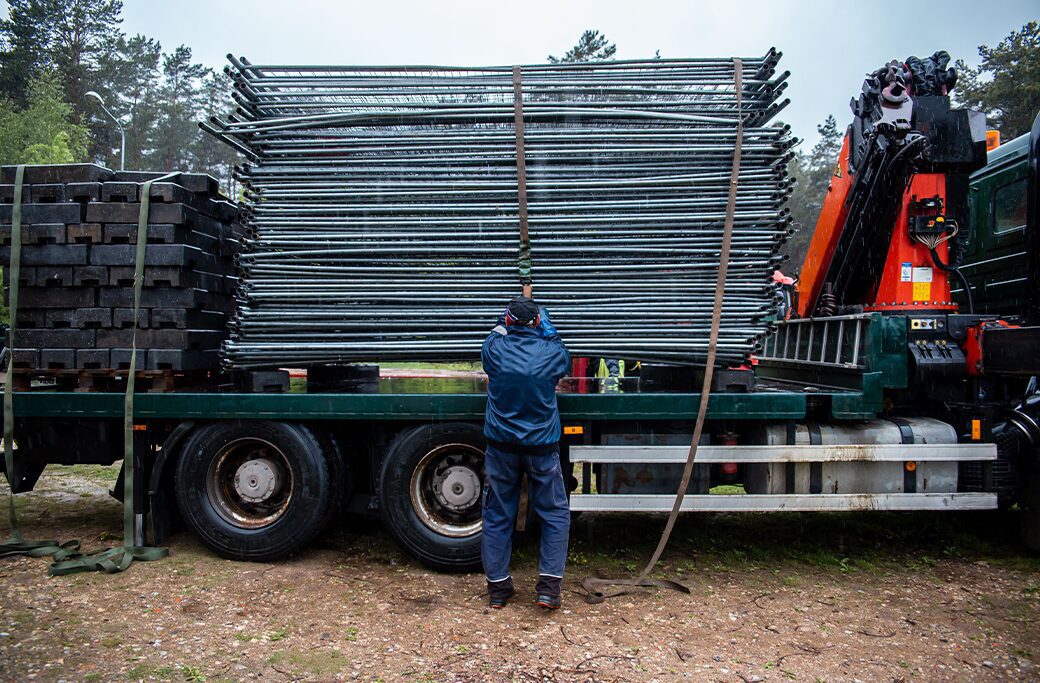
- Bracing and ballast: May provide additional resistance to movement or tipping when properly designed and installed.
- Post-driven installations: May be appropriate where ground conditions and project requirements allow.
Mobile Fencing Inc. offers portable fencing panels that can be paired with solid rubber footings. However, the appropriate stabilization method must be evaluated for each installation, particularly in exposed or windy locations.
What Factors Affect Temporary Fence Stability?
Wind resistance depends on more than the weight of a fence panel.
Important considerations include:
-
- Wind exposure: Open fields, waterfront properties, and exposed parking lots may experience stronger gusts.
- Fence height and layout: Taller fencing and long, exposed runs can create different wind-loading conditions.
- Ground conditions: Soft soil, uneven terrain, and pavement can require different installation approaches.
- Gates and openings: Access points must be considered as part of the overall fencing configuration.
- Attached materials: Privacy screens, banners, and signs can substantially increase wind pressure.
These factors should be reviewed before selecting a temporary fencing system.
Do Privacy Screens Make Temporary Fencing Less Stable?
Privacy screening can significantly increase the wind load on temporary fencing.
Open chain link and mesh panels allow some air to pass through. Adding solid or partially solid material reduces that airflow, potentially causing the fencing to act like a sail.
Even mesh screening can change wind resistance.
Before adding privacy screens, advertising banners, or other coverings, consult your fencing provider. Screened installations may require a different support system, additional stabilization, or engineering review.
Never assume that screening can safely be attached to an existing temporary fence without reassessing the installation.
Can Temporary Fencing Be Used at Windy Outdoor Events?
Temporary fencing can be used at many outdoor events, but its suitability depends on the location, expected weather, and installation requirements.
For fall festivals, farmers markets, sporting events, and street fairs, organizers should consider:
- Exposed event perimeters
- Pedestrian entrances and exits
- Areas near vehicles or public walkways
- Temporary gates and restricted zones
- Procedures for severe-weather warnings
Fencing is only one part of an event’s overall weather and emergency management plan.
What Should You Do Before High Winds Arrive?
If strong winds or severe weather are forecast, contact your fencing provider and follow your site’s established safety procedures.
Before conditions deteriorate, qualified personnel should assess whether the fencing needs additional precautions, modifications, or removal.
Avoid attaching unapproved screening or banners, and do not attempt to reposition or brace unstable fencing during dangerous weather.
After a storm, fencing should be inspected for displaced bases, damaged panels, loose connections, and other signs of instability before normal activity resumes.
Plan Your Temporary Fencing With New England Weather in Mind
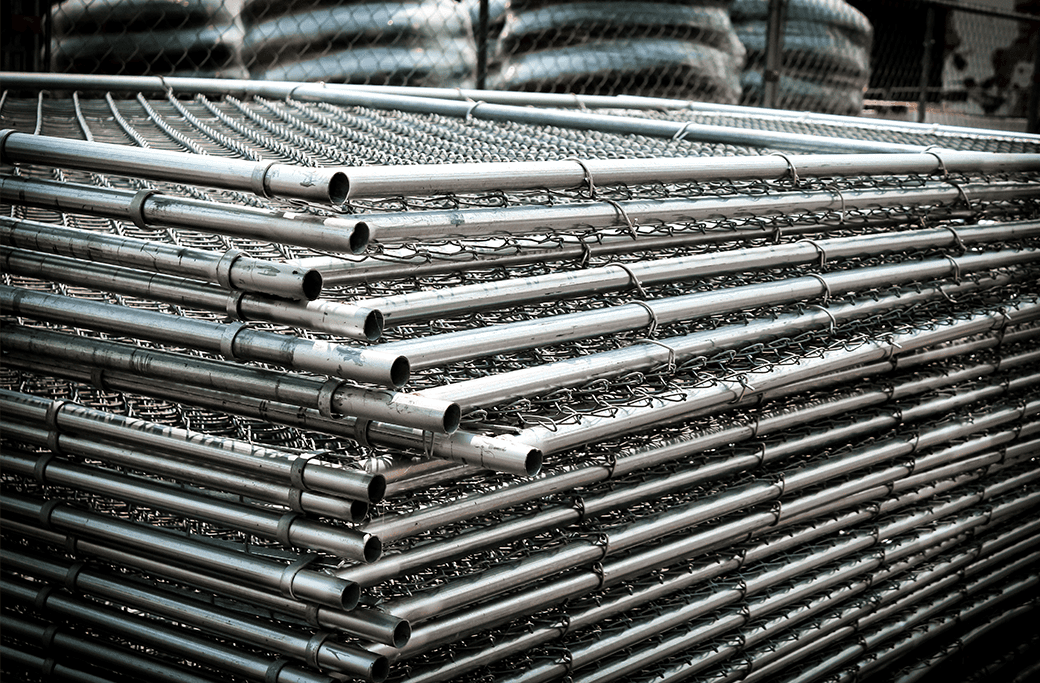
At Mobile Fencing Inc., we provide temporary chain link fencing, block-and-panel fencing, and pedestrian barriers for construction projects, commercial properties, and outdoor events throughout Rhode Island, Massachusetts, Connecticut, New Hampshire, and Maine.
Our team can help you evaluate your project’s location, surface conditions, access requirements, and fencing needs before installation.
Need Temporary Fencing for an Exposed or Wind-Prone Site?
Don’t leave your perimeter planning until the weather changes. Contact Mobile Fencing Inc. to discuss your site conditions, project timeline, and temporary fencing requirements.